Youth Voice
Students identify the stories that matter to them and shape the words, images, artwork, and media used to share those experiences.

From classrooms to communities, StoryLabs support young people in sharing their lived experiences through art, writing, film, photography, and digital storytelling.
Some workshops culminated in published books. Others became murals, short films, blogs, and online media. Together, these projects form a lasting record shaped by young people’s own voices, priorities, and creative choices.

StoryLabs are youth-led learning experiences where students explore identity, culture, environment, and community. The process centers authorship, collaboration, and the belief that young people should help decide how their lives and communities are represented.
Students identify the stories that matter to them and shape the words, images, artwork, and media used to share those experiences.
Writing, visual art, photography, film, music, and movement create multiple pathways for expression, confidence, and authorship.
Books, murals, films, and digital archives preserve local stories while building thoughtful connections between students and communities.
Explore projects spanning Nepal, West Africa, Southern Africa, Central America, India, and the United States.
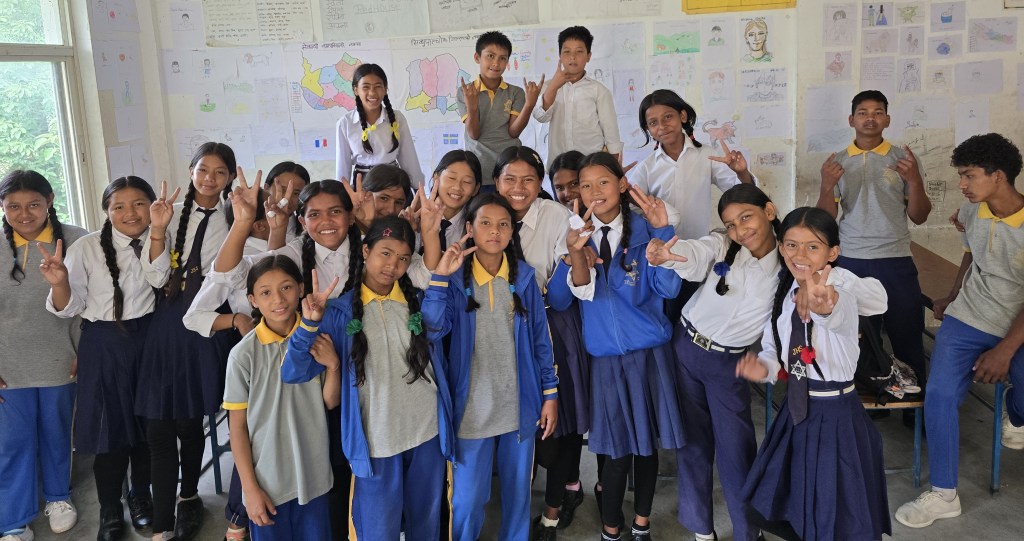
Students explored daily life, traditions, and community through storytelling, art, English-language learning, and short films—documenting their world through the Kids Share curriculum and youth-led media practices.

A multilingual StoryLab focused on personal and collective identity through writing, art, and cultural exchange. Young people explored what it means to define oneself within a family, community, culture, and shared social landscape.
Children collaborated to document their lives, identities, and hopes through art, writing, film, photography, song, and movement. The published collection centered the voices and creative decisions of its young authors.
The project reflects daily realities—including long walks to school, household responsibilities, and limited resources—while also preserving resilience, joy, community pride, and visions for the future.

Following collective trauma, community children created symbolic totems, artwork, and reflective stories with the support of volunteers, professional therapists, educators, artists, and families.
These projects offered creative space for expression and connection while preserving the voices of children living through an extraordinarily difficult period.

Students collaborated on nature-based storytelling that honored biodiversity, resilience, shared environmental heritage, and the relationship between place and identity.
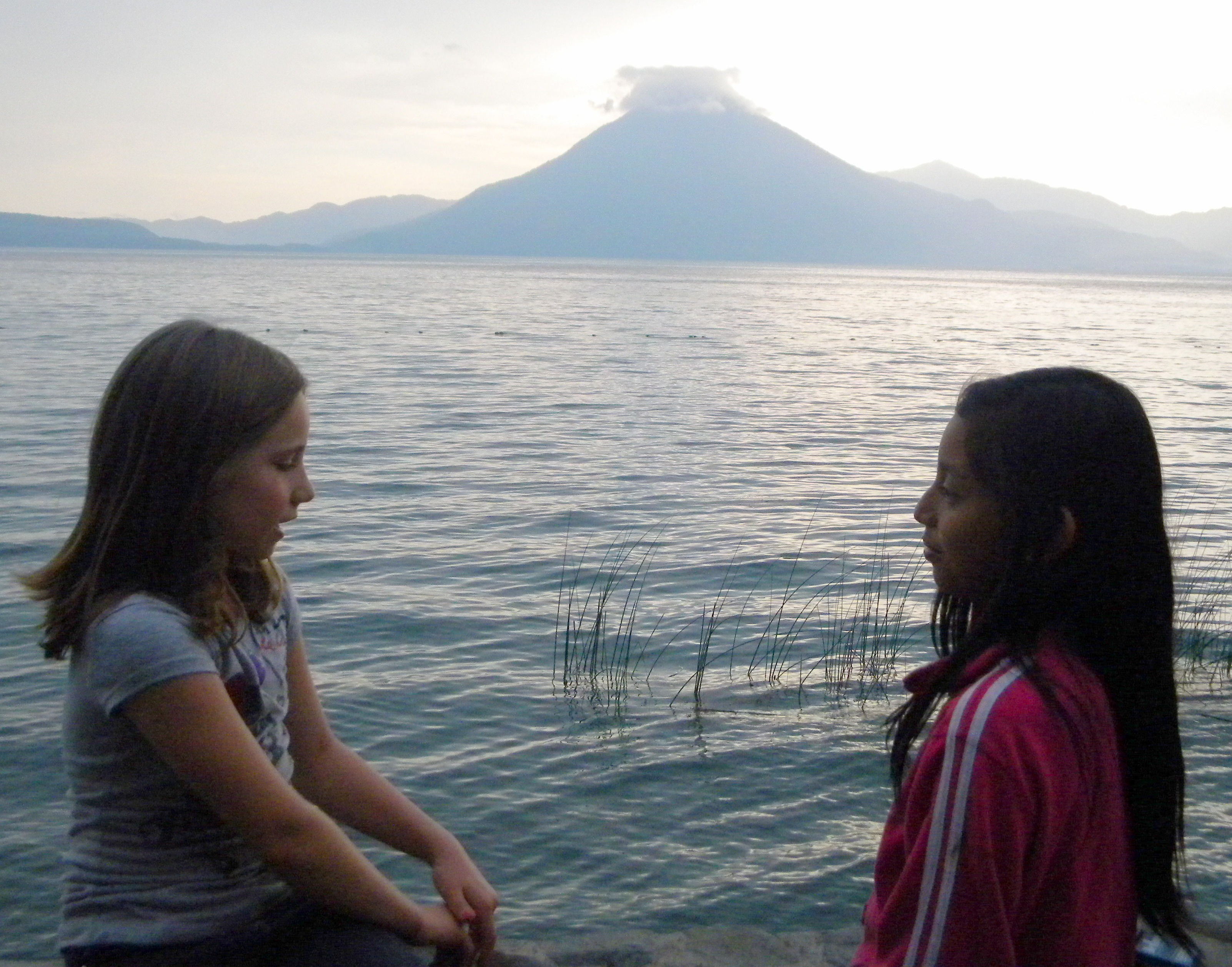
Rural youth and peers in the United States exchanged bilingual stories, photographs, and artwork to explore heritage, language, daily life, and cross-cultural connection.
Phoebe, Kristina Applegate’s daughter, with Vivi in Panajachel, Guatemala.

Students shared community stories through writing and art, creating an early model for cross-cultural exchange and laying part of the foundation for the StoryLab approach.
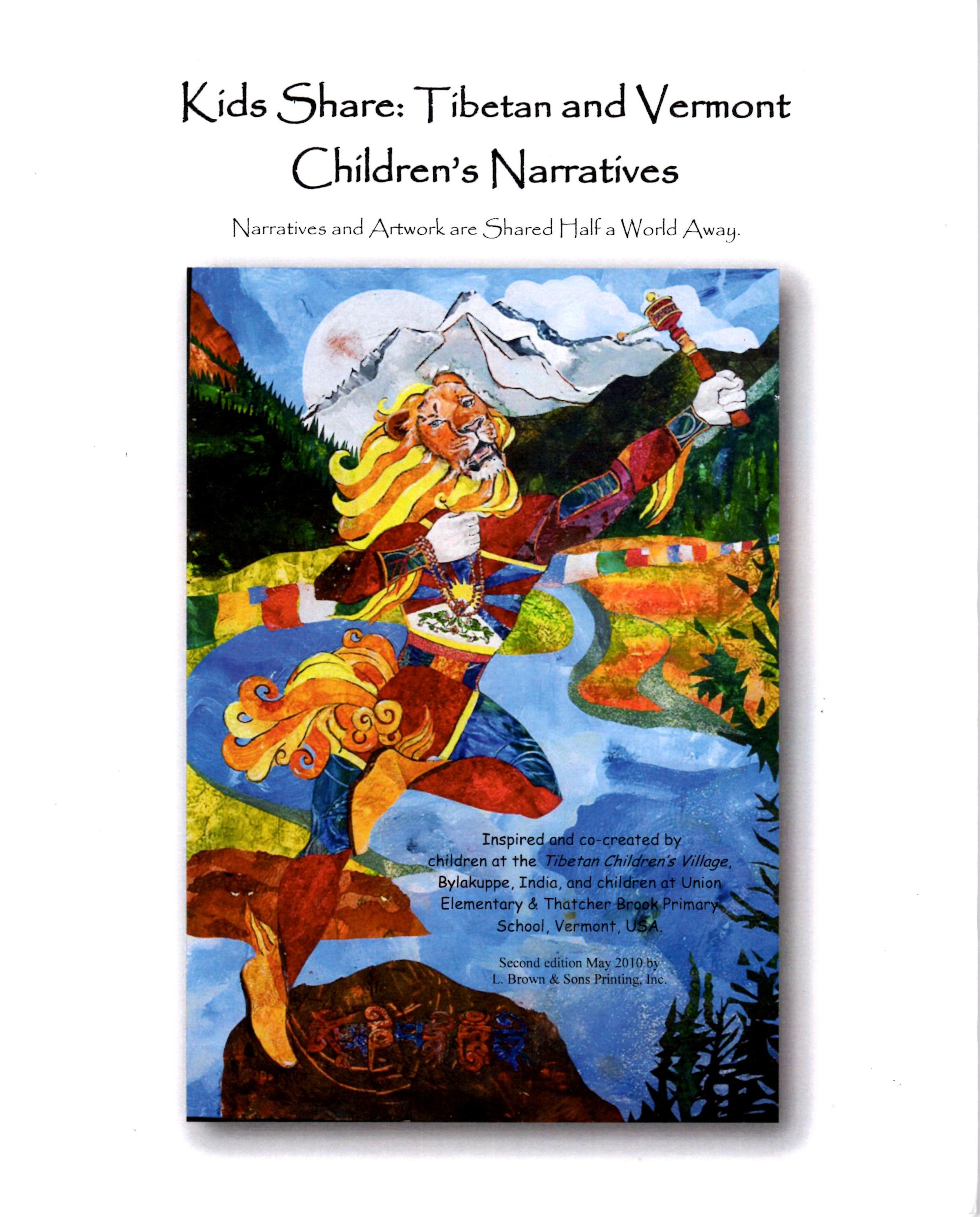
Tibetan youth in India connected with students in Vermont to explore belonging, culture, friendship, and daily life through shared writing, artwork, photography, and storytelling.
This early exchange established the central principle that continues to guide StoryBridge today: young people are not merely subjects of a story—they are its authors.
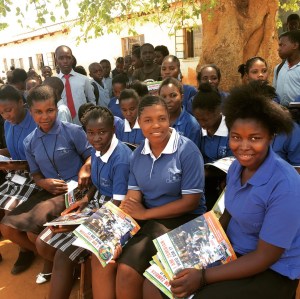
Where projects culminated in books, the goal was never simply to produce a publication. The book became a lasting object that young authors, families, schools, and communities could hold, revisit, and share.
These publications preserve personal stories and collective memory while affirming that young people’s perspectives deserve thoughtful attention and a place in the historical record.
Selected books from earlier StoryLabs are available through the Kids Share Amazon author page. Purchases help keep these youth-authored stories visible and support the continued mission of Kids Share Workshops and StoryBridge.
StoryLabs continue to evolve through the voices of young people and the communities they call home. Educational institutions, educators, artists, filmmakers, and supporters are invited to help create future opportunities for youth-led storytelling across cultures.
Follow current cultural storytelling, StoryLab moments, and life in the field through StoryBridge Nepal.